Trends and outlook
Green habits are moving from posters to daily routines
Environmental education in the UAE used to be a wall poster and a single Earth Day assembly. That is changing quickly. Schools in Dubai, Abu Dhabi, Sharjah and Ajman now build recycling stations into corridors, run tree-planting weekends, and grade pupils on how they handle waste in the canteen. The country’s Net Zero 2050 target and the visibility of COP28 have pushed sustainability out of the science classroom and into the timetable.
This article looks at four clear trends shaping how children in the Emirates are learning to look after nature, with practical examples any school council can copy this term.
Trend 1
Sorted recycling has replaced the single bin
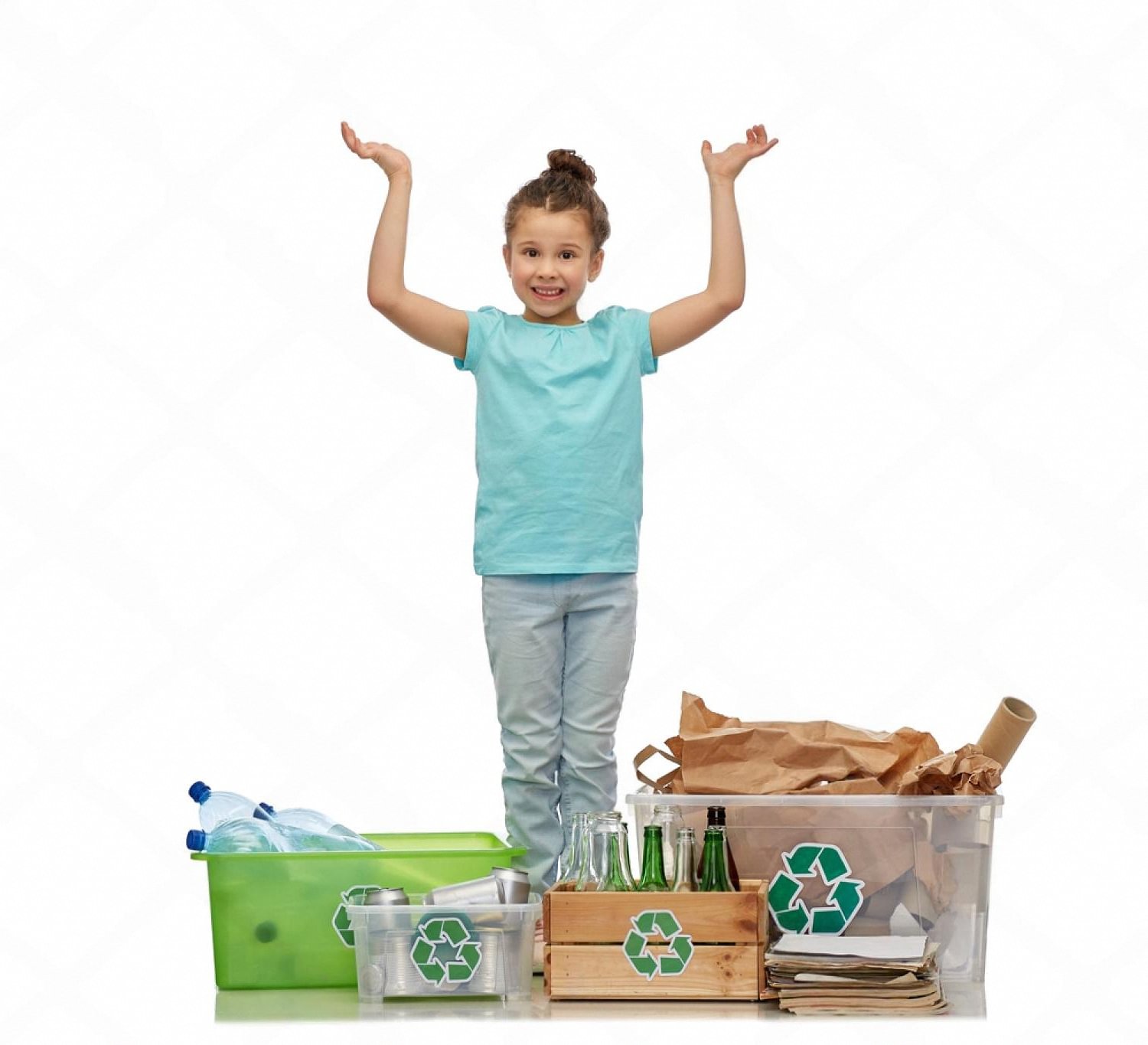
The most visible change in UAE classrooms is the disappearance of the one grey bin. Schools now set up colour-coded stations for paper, plastic and glass, and pupils are expected to know which item goes where. This matters because household waste is where children have the most direct influence, and Dubai Municipality reports that recyclables still make up a large share of what ends up in landfill.
The practical mechanics are simple. Each class picks a monitor for the week. Pupils bring clean items from home, empty bottles, cereal boxes, jam jars, and drop them into the right container. Teachers turn the totals into a friendly inter-class competition.
- Glassrinsed jars and bottles from home, collected weekly.
- Paper and cardnotebooks, packaging and used printer paper.
- PlasticPET bottles and clean food containers only.
- Batteriesa small sealed box in the office for a safe drop-off.
Trend 2
Each child adopts a tree or plant of their own
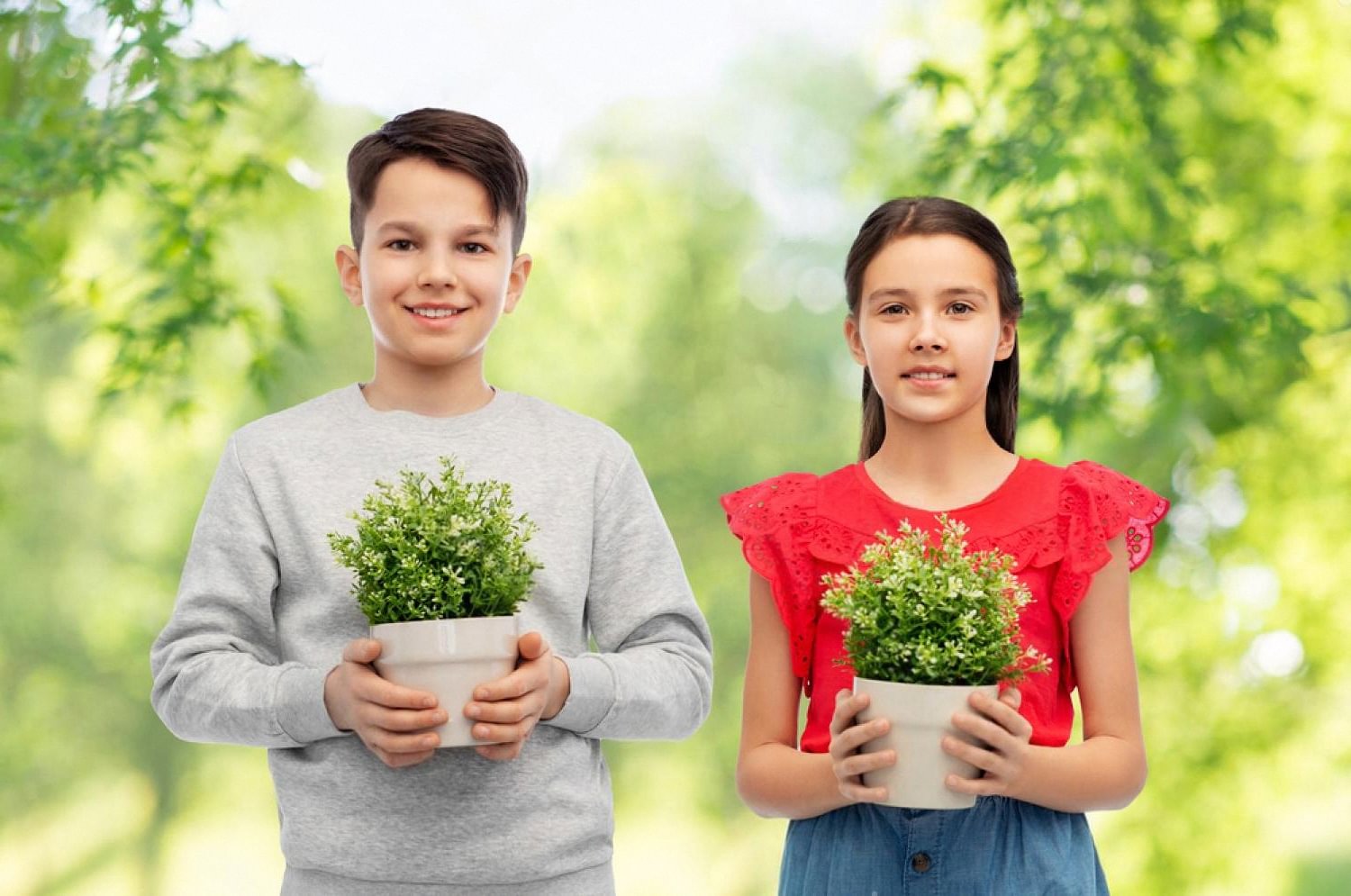
Tree-planting days used to be one-off photo events. Now schools tie a specific pupil to a specific plant. The child names it, waters it on a rota, and checks its growth as part of the science log. When the connection is personal, care becomes automatic.
Ghaf, neem and date palms suit the climate and give schools a chance to teach local ecology at the same time. Some campuses partner with the Emirates Environmental Group or Goumbook’s Give A Ghaf programme to source saplings.
- Pupils receive a small tag with their name attached to the sapling.
- Weekly watering slots go on the class calendar, not the teacher’s to-do list.
- Growth is measured and graphed in maths lessons.
- Pictures from Year 1 to Year 6 create a visible record of both child and tree.
- Older pupils mentor younger ones on how to check soil moisture in summer.
Trend 3
Rewards, not lectures, are driving behaviour
Certificates, house points and small prizes now do more work than assembly speeches. A pupil who brings in the most used paper for the month gets recognised in front of the year group. A class that keeps its recycling contamination low earns an extra activity slot. The point is not the trophy, it is the loop between action and acknowledgement.
- Paper drive of the monthwhoever brings the heaviest bundle wins a certificate.
- Battery hunter awardpupils collect spent batteries from home and family cars.
- Zero-waste lunch badgegiven for a full week of reusable containers and no cling film.
- Green class of the termawarded on combined scores for recycling, energy and water use.
Well-run international schools in ajman and other emirates have taken this further by adding sustainability to the pupil leadership structure, with elected eco-prefects who chair monthly green committees.
Trend 4
Reuse is being built into craft, science and canteen
The fourth shift is quieter but the deepest. Instead of throwing away leftover materials after art class, teachers keep a reuse tray. Card offcuts, ribbon ends and paper scraps become the small parts for the next project. The lesson is that waste is often just material in the wrong place.
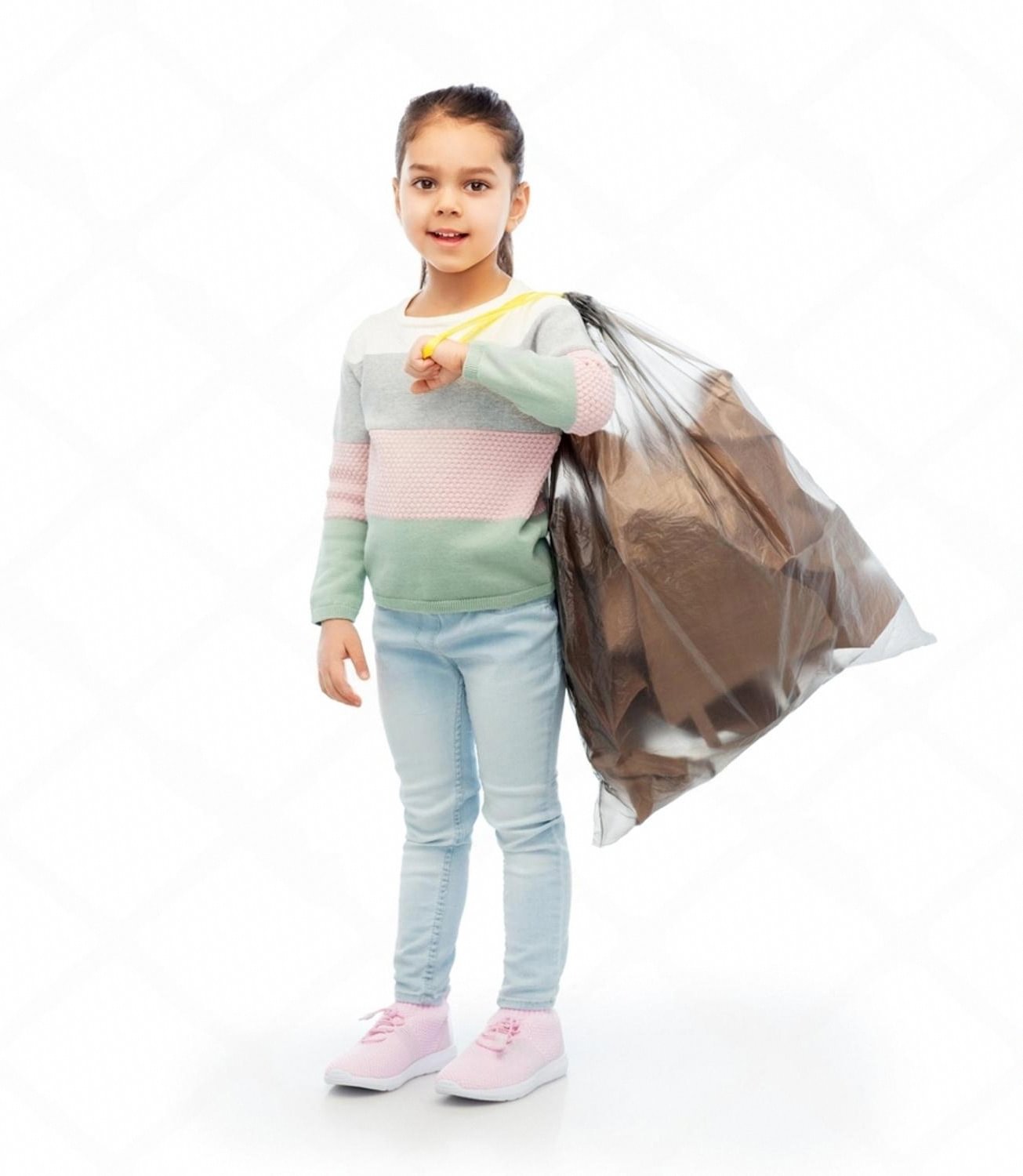
The same logic is spreading to the canteen, where plastic straws have been phased out under Dubai’s single-use plastic policy, and to labs where water experiments feed the school garden rather than the drain.
Ten practical ideas any UAE school can start this term
1. Sorted bin corners
Three labelled containers in every classroom: glass, paper, plastic. Pupils empty them on Fridays.
2. Paper and battery drives
Monthly collection with certificates for the top three contributors in each year.
3. Craft reuse tray
A single tray for leftover card and paper. Nothing goes to the bin until the tray is empty.
4. Adopt-a-tree day
Every pupil plants and waters one sapling for the whole school year.
5. Zero-waste lunch week
Reusable containers only, no cling film or single-use bags for five days.
6. Water-saving audit
Pupils measure taps and flush volumes and report to the facilities team.
7. Beach or park clean-up
One outing per term with gloves, bags and a weigh-in at the end.
8. School vegetable patch
Herbs and tomatoes grown by pupils, harvested for the canteen kitchen.
9. Uniform and book swap
End-of-year event where families exchange outgrown items instead of buying new.
10. Composting corner
Fruit peels from break time go into a small bin that feeds the school garden.
The children who sort a yoghurt pot at eight are the adults who will design the recycling plant at twenty-eight. The habit is the whole education.
What the numbers point to next
The UAE has committed to net zero emissions by 2050and schools are one of the fastest routes to shifting daily behaviour. Ministry of Education guidance now expects sustainability to appear across subjects, not just science, and inspection frameworks from KHDA and ADEK reward measurable environmental action on campus.
The direction is clear. Recycling stations, tree adoption, reuse trays and reward systems are moving from optional extras to baseline expectations. Parents who want to see how a school treats this can simply walk the corridor at pick-up and count the bins.
Frequently asked questions
At what age should children start learning about caring for nature at school?
As early as KG1 or Foundation Stage. Three and four year olds can already match a bottle to the right bin, water a plant, and pick up litter with supervision. The habits stick better when they start before children see waste sorting as extra effort.
Do UAE schools follow a national curriculum for environmental education?
There is no single standalone subject called environmental education, but the Ministry of Education embeds sustainability across science, social studies and moral education. KHDA in Dubai and ADEK in Abu Dhabi also review how schools promote environmental responsibility during inspections, so most campuses have a dedicated sustainability plan.
How can parents support what the school is teaching about nature?
Keep the same sorted bins at home so children see consistency between school and family life. Save clean recyclables for the school’s collection days. Take part in weekend clean-ups, and let the child lead the water and electricity checks in the house.
Small routines matter more than big gestures. A weekly ten minute review of what went into which bin teaches more than a single documentary.
What kinds of plants and trees are suitable for a school garden in the UAE?
Native and adapted species handle the climate best. Ghaf and neem trees are hardy, need little water once established, and give shade. For a smaller garden, herbs like mint, basil and coriander grow well in shaded pots, and cherry tomatoes do fine in the cooler months from October to April.
How do schools reward children for eco-friendly behaviour without turning it into a prize race?
Most schools mix individual recognition with team goals. A monthly certificate goes to the top paper or battery collector, but the bigger reward is usually class-based: an extra activity slot, a garden visit, or a shared trophy. This keeps competition friendly and stops any single child from feeling excluded.
Is battery collection at school safe for young children?
Yes, when handled correctly. Batteries are placed by pupils into a sealed box kept in the office or with a staff member, not left loose in classrooms. Damaged or leaking batteries are removed by staff. The school then hands the collected batteries to an approved recycler.
How can a small school with limited budget start a recycling programme?
Start with three cardboard boxes labelled paper, plastic and glass in one central spot. Ask parents to bring rinsed items from home. Contact the local municipality or a company like Bee’ah in Sharjah or Dulsco in Dubai, many will collect sorted recyclables from schools at no cost. The programme grows from there.

Snowboarder, traveler, band member, Eames fan and front-end developer. Acting at the crossroads of art and computer science to craft experiences that go beyond design. I work with Fortune 500 companies and startups.